 Gold Chain
 Rings
Rings Wedding Rings
 Engagement Rings
 Bridal Rings
 Rolex Rings Jewelry
 Fashion Rings
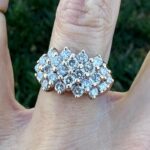 Cluster Diamond Rings
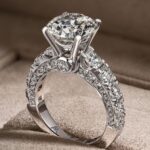 Solitaire Rings
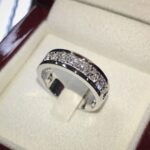 Band Rings
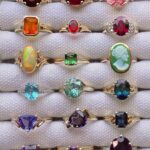 Cocktail Rings
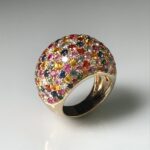 Dome Rings
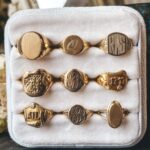 Signet Rings
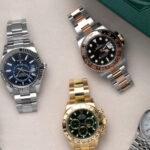 Used Rolex Watches
 Used Rolex Submariner
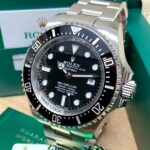 Rolex Sea Dweller
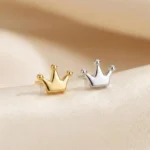 Rolex Earrings
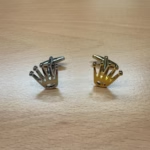 Rolex Cufflinks
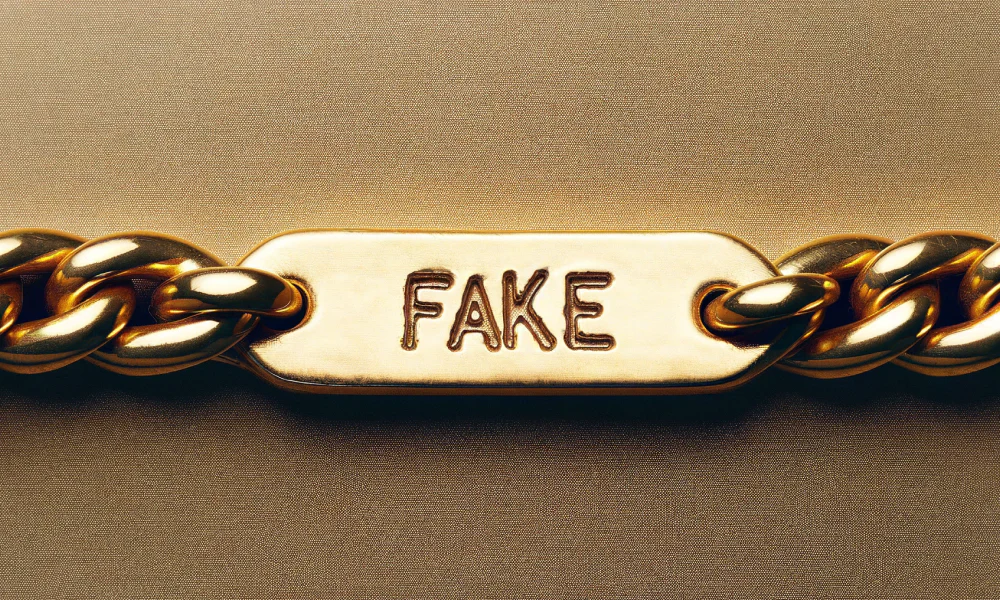
If you’re wondering how to spot a fake watch chain, you’re doing the right thing before you buy. This guide gives U.S. buyers and online shoppers a practical, step-by-step process to evaluate a chain’s authenticity: what visual cues and hallmarks to look for, how to test metal and construction, what paperwork and lab tests to request, and when to get an independent appraisal. Read this before you hit “buy” or accept a seller’s claim — a few minutes of inspection and one or two verification steps can prevent a costly mistake.
Quick overview: the 3 pillars of verification
When asking how to spot a fake watch chain, focus on three things:
Visual & craftsmanship checks (hallmarks, soldering, clasp quality)
Documentation & provenance (invoices, appraisals, XRF reports)
Independent testing when necessary (XRF, acid test, specific gravity)
Combine these for a confident decision. No single check is perfect, but together they give a clear picture.
Ten practical checks: step-by-step inspection
Use this checklist in the order listed — start with easy visual checks, then move to testing and paperwork.
1. Find the hallmarks and karat stamps
Look inside the clasp, on a spare link, or on a small tag. Common marks: 10K, 14K, 18K, 585 (14K), 750 (18K). Absence is a red flag but not conclusive — always use additional checks.
2. Examine the soldering and link joins
High-quality chains have clean, flush soldering. Gaps, uneven blobs, or rough filing indicate poor craftsmanship or a repair.
3. Check the clasp type and function
Luxury chains use robust clasps (box with safety, reinforced lobster). Test the clasp several times — it should feel solid and lock securely.
4. Weigh the piece — does it feel substantial?
Solid precious-metal chains feel heavier than plated or hollow imitations. If the seller lists gram weight, compare with expected weights for similar-width solid chains.
5. Inspect link uniformity and finish
Links should match in size, shape, and polish. Inconsistent finishes mean lower-quality manufacturing.
6. Look for exposed base metal or edge wear
On plated pieces, worn edges often reveal a different color underneath. That’s normal for plating but should be disclosed.
7. Magnify hallmarks and tooling marks
Use a phone macro lens or jeweler’s loupe (10x). Authentic hallmarks are crisp; sloppy punches or uneven fonts are suspicious.
8. Ask about plating thickness or gold-fill
If plated, request micron thickness. If gold-filled, confirm the bonding and estimated longevity.
9. Request paperwork and testing reports
Ask for invoices, appraisals, or XRF results. Sellers with legitimate stock usually provide documentation or will allow third-party testing.
10. If still unsure — get an independent test
XRF (X-ray fluorescence) is non-destructive and shows metal composition percentages. Accredited jewelers and labs offer it for a modest fee.
Hallmarks & what they mean
Understanding marks makes spotting fakes much easier:
Documentation & provenance: what to ask for
Always request documentation before buying a high-value chain:
Invoice / sales receipt showing seller identity, date, karat/metal, and price.
Third-party appraisal (dated) from a licensed appraiser or accredited jeweler.
XRF report showing elemental composition (non-destructive).
Service or repair records if it’s pre-owned; ask about replating.
Serials or maker paperwork for branded or designer pieces.
Make receipt of these documents a condition of sale if you’re paying a premium.
Testing methods explained (pros & cons)
Visual + loupe inspection — free, first line of defense. Good for hallmarks and soldering.
Magnet test — quick check: gold and silver aren’t magnetic. If strongly attracted, the piece likely has base metals. Not definitive (some non-magnetic base alloys exist).
Acid test — inexpensive and effective for karat ranges, but slightly invasive and not ideal for plated items. Should be done by a professional.
XRF analysis — best non-destructive option. Tells you metal composition by percentage. Widely available at reputable jewelers/labs.
Specific gravity (density) test — accurate but requires equipment and expertise. Good for conclusive checks.
How to safely buy “Rolex-style” or designer-inspired chains
If you’re not buying from an authorized dealer but want a Rolex-style look, follow these safety steps:
Buy from reputable sellers with clear U.S. contact info and visible reviews.
Insist on photos of hallmarks and close-ups before purchase.
Request recent XRF or appraisal if the piece is advertised as solid gold.
Pay with a protected method (credit card, PayPal), never wire to unknown sellers.
Insure shipment and require signature on delivery for high-value purchases.
Printable quick checklist
Hallmark / karat stamp present and legible
Clean, flush soldering at link joins
Robust clasp that locks securely
Substantial weight for claimed metal
Uniform link shape & finish across the chain
No exposed base metal on edges (for plated pieces)
Documentation available (invoice, appraisal, XRF)
Seller accepts independent testing or returns if test fails
When to get an appraisal (and how much to expect)
Get a third-party appraisal if the chain is worth more than a few hundred dollars, if the seller can’t produce credible paperwork, or if you plan to insure the piece. Expect a modest fee (often $25–$150) depending on lab and level of testing (XRF costs more). This small cost is often worth the peace of mind.
Trust services from Rolex Chain Shop
At Rolex Chain Shop we help U.S. buyers reduce risk:
Request authenticity docs — Ask the seller to upload hallmarks photos, invoices, and any test reports.
Get a third-party appraisal — We connect buyers with accredited appraisers for XRF testing and written appraisals.
Final Notes
Learning how to spot a fake watch chain is a mix of careful visual inspection, asking for the right paperwork, and using independent tests when needed. Don’t rush high-value purchases; a quick inspection checklist and a willingness to request tests or an appraisal will protect you from most scams and low-quality goods.